










Reducing food waste at home is a win-win situation. It not only helps you save money but also contributes to a healthier environment by reducing greenhouse gas emissions. With a few simple changes in your kitchen habits, you can significantly cut down on the amount of food that goes unused. Here are some easy and practical ways to reduce food waste at home.
Understand Your Food Waste
Before making changes, it helps to understand what kinds of food you tend to waste the most. Keep a small notebook or use a phone app to track food items you throw away for a week or two. Identifying patterns will help you adjust your shopping and cooking habits.
Smart Shopping Habits
Make a Meal Plan
Planning your meals for the week ensures you only buy what you need. Start by checking what ingredients you already have at home to avoid duplicates. Make a shopping list based on your plan and stick to it.
Avoid Impulse Buying
Supermarket shelves are designed to encourage impulse purchases, which often lead to wasted food. Try to shop on a full stomach and avoid buying items just because they are on sale if you won’t use them.
Buy Loose Produce
When possible, buy loose fruits and vegetables rather than pre-packaged ones. This allows you to select the exact quantity you need and helps prevent spoilage.
Proper Storage Techniques
Use Clear Containers
Storing leftovers and ingredients in clear containers helps you see what’s inside, reducing the chances of food being forgotten and wasted.
First In, First Out (FIFO)
Organize your fridge and pantry so that older items are at the front and newer items go to the back. This encourages you to use older products before they spoil.
Store Food Correctly
Different foods require different storage methods. For example, some vegetables last longer in the fridge, while others do better at room temperature. Learn the best storage methods for common items to extend their shelf life.
Creative Cooking and Leftover Use
Repurpose Leftovers
Turn leftovers into new meals. For instance, roast chicken can become chicken salad or soup the next day. Get creative with your leftovers to enjoy tasty meals and avoid throwing food away.
Use Scraps Wisely
Vegetable peels, stems, and bones can be used to make stocks and broths. Freezing scraps until you have enough to make stock is a great way to reduce waste.
Freeze Excess Food
If you cook in large batches, freeze portions for later meals. This prevents spoilage and saves time on busy days.
Mindful Portion Control
Serving the right portion sizes helps reduce uneaten food on plates. Start with smaller servings, and you can always have seconds if you’re still hungry.
Regularly Check Expiration Dates
Keep an eye on expiration and best-before dates. While some foods are still safe after these dates, it’s important to use your judgment and knowledge of food safety.
Composting Food Waste
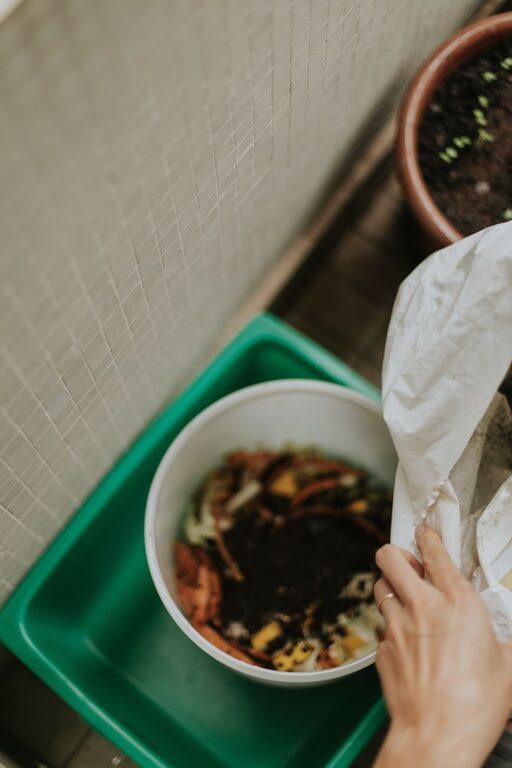
Not all food waste can be avoided, but instead of throwing it in the trash, consider composting. Composting kitchen scraps like fruit and vegetable peels enriches soil and reduces landfill waste.
Educate Your Household
Make sure everyone in your household understands the importance of reducing food waste and is familiar with the strategies you’re using. Working together makes it easier to develop lasting habits.
Benefits Beyond the Kitchen
Reducing food waste helps you save money by making your groceries last longer. It also reduces the environmental impact by cutting down on the resources used to produce food and the waste going to landfills. Plus, less food waste means less time spent cleaning up spoiled food.
—
By adopting these practical strategies, you can make a positive impact on your household’s food habits. Start small, be consistent, and enjoy the benefits of less waste, fresher food, and a healthier planet.