










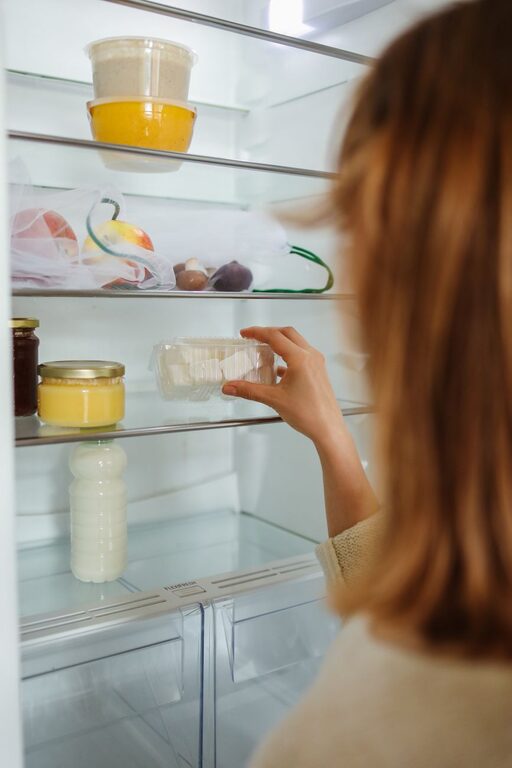
Keeping your fridge and pantry tidy can transform your kitchen into a more efficient and enjoyable space. A well-organized food storage area not only makes meal planning and cooking easier but also helps reduce food waste by keeping track of what you have. If your fridge and pantry tend to get cluttered or chaotic, don’t worry. With some simple strategies and regular upkeep, you can maintain a clean and orderly kitchen. Here’s how.
Why Keeping Your Fridge and Pantry Tidy Matters
Before diving into the how, it’s helpful to understand why organizing these areas matters:
– Prevents Food Waste: When you know what you have, you use ingredients before they spoil.
– Saves Time: Quickly find what you need without digging through clutter.
– Enhances Food Safety: Proper storage reduces the risk of contamination.
– Creates a Pleasant Space: A neat fridge and pantry make your kitchen more inviting.
Organizing Your Fridge: Step-by-Step
1. Start with a Clean Sweep
Empty your fridge completely. Check expiration dates and toss anything that’s gone bad or you won’t use. Wipe down shelves and drawers with a gentle, non-toxic cleaner or a mix of water and vinegar.
2. Group Similar Items Together
Designate zones for different types of food:
– Top Shelves: Ready-to-eat foods like leftovers and drinks.
– Middle Shelves: Dairy products such as milk, cheese, and yogurt.
– Bottom Shelves: Raw meat and fish, stored in a tray to catch drips.
– Drawers: Use drawers for fruits and vegetables, adjusting humidity settings as needed.
– Door Shelves: Condiments, juices, and other items that can handle slight temperature changes.
3. Use Clear Containers and Labels
Clear bins are great for keeping small items together, such as snack packs, cheese slices, or deli meats. Label containers with contents and dates to keep track of freshness.
4. Don't Overload Your Fridge
Avoid packing your fridge too full; cold air needs to circulate for your food to stay fresh. Leave some space between items.
5. Regular Maintenance
Set a weekly or biweekly schedule to check your fridge. Remove old items, clean spills immediately, and reorganize as needed.
Organizing Your Pantry: A Practical Approach
1. Empty and Clean
Like your fridge, start by taking everything out. Wipe shelves and check for expired products, pests, or damaged packaging.
2. Group Items by Category
Sort pantry items into categories such as:
– Grains and pasta
– Baking supplies
– Canned goods
– Snacks
– Spices and herbs
– Breakfast foods
This grouping makes it easy to locate items quickly.
3. Use Storage Containers
Transfer dry goods like flour, sugar, rice, and cereals into airtight containers. This helps keep food fresh longer and prevents pests. Transparent containers allow you to see the contents and quantity at a glance.
4. Label Everything
Consistent labeling can save time and avoid confusion. Include product names and preferably the expiration dates.
5. Utilize Vertical Space and Door Storage
Use shelf risers or stackable bins to maximize vertical space. Install racks or organizers on pantry doors for smaller items like spices or packets.
6. Place Frequently Used Items at Eye Level
Keep everyday essentials like cooking oils, spices, and snacks where you can easily reach.
7. Rotate Stock
Practice the “first in, first out” method by placing newer items behind older ones to use older products first.
Additional Tips for Both Fridge and Pantry
– Keep a Running Inventory: Use a notepad or an app to track what you have and what you need.
– Plan Meals Around What You Have: This reduces impulse buys and waste.
– Invest in Quality Containers: Durable, stackable containers save space and look tidy.
– Avoid Buying in Bulk Unless You Can Store It Properly: Bulk buying can lead to clutter.
– Maintain Cleanliness: Wipe up any spills immediately to prevent sticky messes and odors.
– Use Baskets or Bins for Kid-Friendly Zones: Kids can easily find and put away their snacks.
How Often Should You Organize?
For most households, a full clean-out and reorganization of the fridge once a month and the pantry every two to three months works well. Frequent smaller tidying sessions, such as wiping spills and checking for expired items weekly, keep things manageable.
Conclusion
A tidy fridge and pantry are key to a well-functioning kitchen. They make meal prep quicker, keep your food fresher, and help you avoid unnecessary food waste. With regular attention and some simple organizing tools, maintaining an orderly fridge and pantry can become an easy habit. Give these tips a try and enjoy a clutter-free kitchen space that supports your busy lifestyle.