









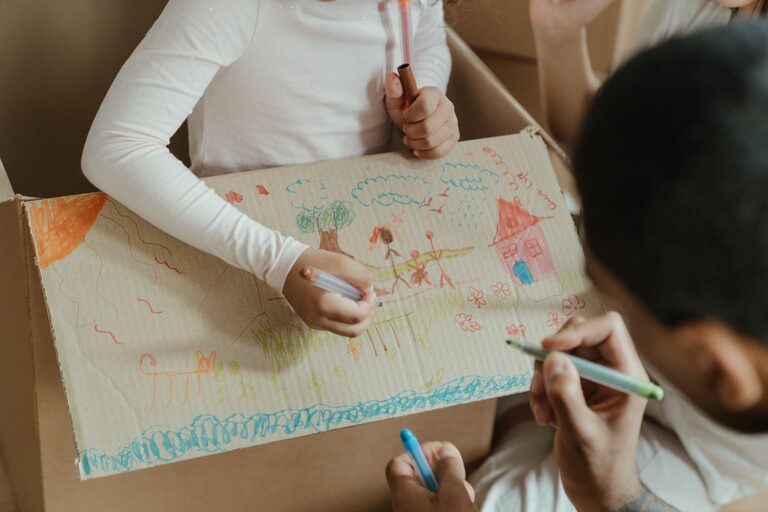
Children’s artwork is a wonderful way to celebrate their creativity and growth. From colorful drawings to 3D crafts, every piece is a cherished memory. However, the sheer volume of art projects can quickly take over your home if not managed well. Organizing kids’ art not only preserves these precious creations but also keeps your space tidy and manageable.
In this post, we’ll explore practical strategies and creative ideas to help you keep your kids’ art organized without stress.
Why Organize Kids’ Art?
Before diving into the tips, it’s helpful to understand the benefits of organizing art:
– Preserves memories: Art reflects your child’s development and interests at different ages.
– Reduces clutter: Managing artwork prevents piles from accumulating and creating mess.
– Encourages creativity: A neat display or organized portfolio motivates kids to create more.
– Simplifies sharing: Organized art is easy to show friends, family, or use in school projects.
Getting Started: Sort and Decide
The first step to organizing art is to sort through the collection. Here’s how:
1. Set Aside a Sorting Day
Dedicate time together with your child to review all their artwork. This can be a fun way to reminisce and decide what to keep.
2. Categorize the Art
Sort art into groups such as:
– Drawings and paintings
– School projects
– 3D crafts and sculptures
– Seasonal or holiday-themed art
– Digital art or photos of artwork
3. Decide What to Keep
Not every piece needs to be saved. Use these questions to guide your choices:
– Does this art hold special meaning or milestone?
– Is the piece unique or especially well-done?
– Would your child want to keep it?
Consider involving your child in these decisions to respect their feelings.
Creative Display Ideas
Displaying art can brighten your home and celebrate your child’s creativity.
1. Rotating Gallery Wall
Designate a wall or corkboard for a rotating art display. Use clips, washi tape, or frames for easy changes.
2. Art Wire or String Display
Hang a wire or string with clothespins in a playroom or hallway. It’s simple to swap artwork as new pieces arrive.
3. Framed Favorites
Choose a few favorite pieces to frame nicely and hang in your living spaces. Consider using frames with mats for a polished look.
Storage Solutions for Art
When not on display, artwork needs a safe place to live.
1. Art Portfolio or Binder
Use large, acid-free portfolios or binders with plastic sleeves to store flat artwork. Label by year or child for easy reference.
2. Plastic Storage Bins
For bulkier items like sculptures or craft projects, clear plastic bins work well. Label each bin clearly to keep track.
3. Digital Archiving
Take photos or scan artwork, especially bulky or fragile pieces that are hard to store.
– Create digital folders by date or theme.
– Use photo books or slideshows to revisit collections without physical clutter.
Organizing Art Supplies
Keeping supplies tidy helps children enjoy creating and reduces mess.
1. Use Clear Containers
Store crayons, markers, and paints in clear bins or jars for easy access.
2. Label Everything
Labels help kids learn organization and find what they need quickly.
3. Designate a Craft Area
Set up a specific space for art-making. A small table with storage nearby encourages neatness.
Tips for Maintaining Organization
Organization is ongoing. Here are some helpful routines:
– Monthly review: Go through new artwork regularly with your child to decide what to keep or discard.
– One-in, one-out: When saving a new piece, consider letting go of an older one to prevent overload.
– Get kids involved: Encourage children to take responsibility for their artwork and supplies.
– Use art gifts: Share extra art with family members or use it as gift wrap or cards.
Conclusion
Organizing your kids’ art doesn’t have to be overwhelming. With a bit of planning and creativity, you can preserve precious memories, keep your home tidy, and inspire your little artists. Try these tips and adapt them to fit your family’s needs.
Remember, the goal is to celebrate your child’s creativity while keeping things manageable. Happy organizing!