









Starting an indoor herb garden is a rewarding way to bring fresh flavors into your cooking and add a touch of greenery to your living space. Whether you have a large kitchen window or just a small corner, growing herbs indoors can be simple and enjoyable. In this guide, we’ll walk you through everything you need to know to start a small herb garden indoors.
Why Grow an Indoor Herb Garden?
Indoor herb gardens offer many benefits:
– Fresh herbs year-round: No more relying on store-bought herbs that spoil quickly.
– Convenience: Herbs are within arm’s reach while cooking.
– Space-saving: Perfect for apartments or homes without outdoor garden space.
– Enhances air quality: Growing plants indoors helps purify the air.
– Therapeutic: Gardening is a relaxing and rewarding hobby.
Choosing the Right Herbs for Indoors
Not all herbs thrive indoors, so it’s important to choose those suited for container growing and indoor light conditions. Some great beginner-friendly indoor herbs include:
– Basil: Needs plenty of sunlight and regular watering.
– Mint: Grows quickly, prefers moist soil, and can tolerate lower light.
– Parsley: Requires moderate sunlight and consistent moisture.
– Chives: Easy to grow with bright indirect light.
– Thyme: Prefers bright light and well-drained soil.
– Cilantro: Likes cooler temperatures and bright light.
Selecting Containers for Your Herb Garden
Choosing the right pots or containers helps your herbs grow healthy:
– Size: Small to medium pots (4-6 inches) work well for most herbs.
– Drainage: Ensure containers have drainage holes to prevent waterlogging.
– Material: Terra cotta is breathable and popular, but plastic or ceramic pots work, too.
– Style: Pick containers that complement your space and are easy to move.
Soil and Potting Mix
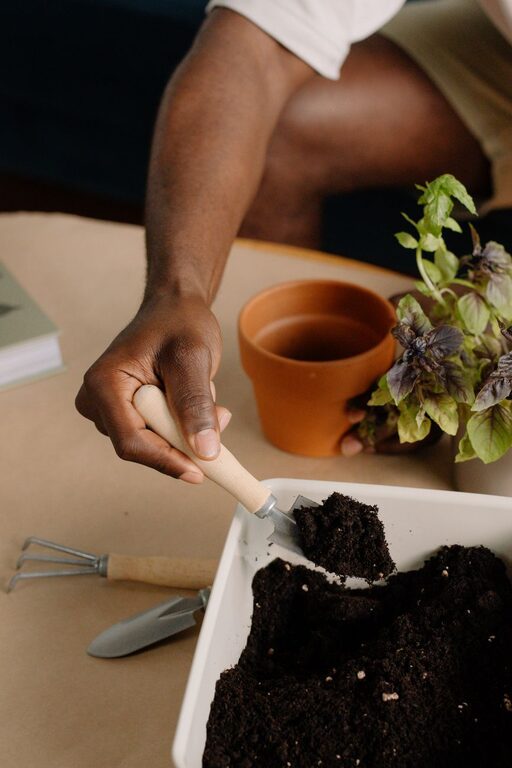
Use a high-quality potting mix designed for indoor plants or herbs. Avoid garden soil, which can be too heavy and may contain pests. A good potting mix provides good drainage and nutrients.
Location and Light Requirements
Most herbs need 6-8 hours of sunlight daily. Here are some lighting tips:
– South-facing windows: Best for herbs that need full sun like basil and thyme.
– East- or west-facing windows: Good for plants needing moderate light.
– Artificial lighting: If natural light is limited, consider using grow lights to supplement.
Planting Your Herb Garden
You can start your herb garden from seeds or buy young plants from a nursery.
Starting from Seeds
– Fill containers with potting mix, leaving about an inch at the top.
– Plant seeds according to package instructions, usually ¼ inch deep.
– Water gently to moisten the soil.
– Cover with a plastic dome or clear wrap to keep humidity in until seeds sprout.
– Remove cover once seedlings appear.
Using Starter Plants
– Gently remove plants from their nursery pots.
– Loosen roots if they appear crowded.
– Plant them in your containers at the same depth they were growing.
– Water thoroughly after planting.
Watering and Feeding
– Watering: Herbs prefer consistently moist soil but not soggy. Water when the top inch of soil feels dry.
– Drain excess water: Empty saucers under pots to avoid root rot.
– Feeding: Use a balanced liquid fertilizer every 4-6 weeks to provide nutrients.
Pruning and Harvesting Your Herbs
Regular pruning encourages bushier growth and prevents herbs from getting leggy.
– Pinch off the tips of stems regularly.
– Harvest leaves with scissors, taking no more than one-third of the plant at a time.
– Avoid cutting more than half the plant to maintain healthy growth.
Common Challenges and Tips
– Leggy plants: Usually caused by insufficient light—move your herbs to a brighter spot.
– Yellow leaves: May indicate overwatering or poor drainage.
– Pests: Check for aphids or spider mites; wipe leaves with a damp cloth or use mild insecticidal soap.
– Temperature: Keep herbs away from cold drafts or heaters.
Enjoying Your Indoor Herb Garden
You can use your fresh herbs in countless ways—sprinkle fresh basil on salads, add chopped chives to eggs, or steep mint leaves for tea. Indoor herb gardens also make great gifts or decor accents.
Final Thoughts
Starting a small herb garden indoors is a fun and practical project that anyone can enjoy. With a little care and patience, you’ll have fresh herbs at your fingertips all year long. Give it a try and bring the joy of gardening into your home!
—
Happy gardening!